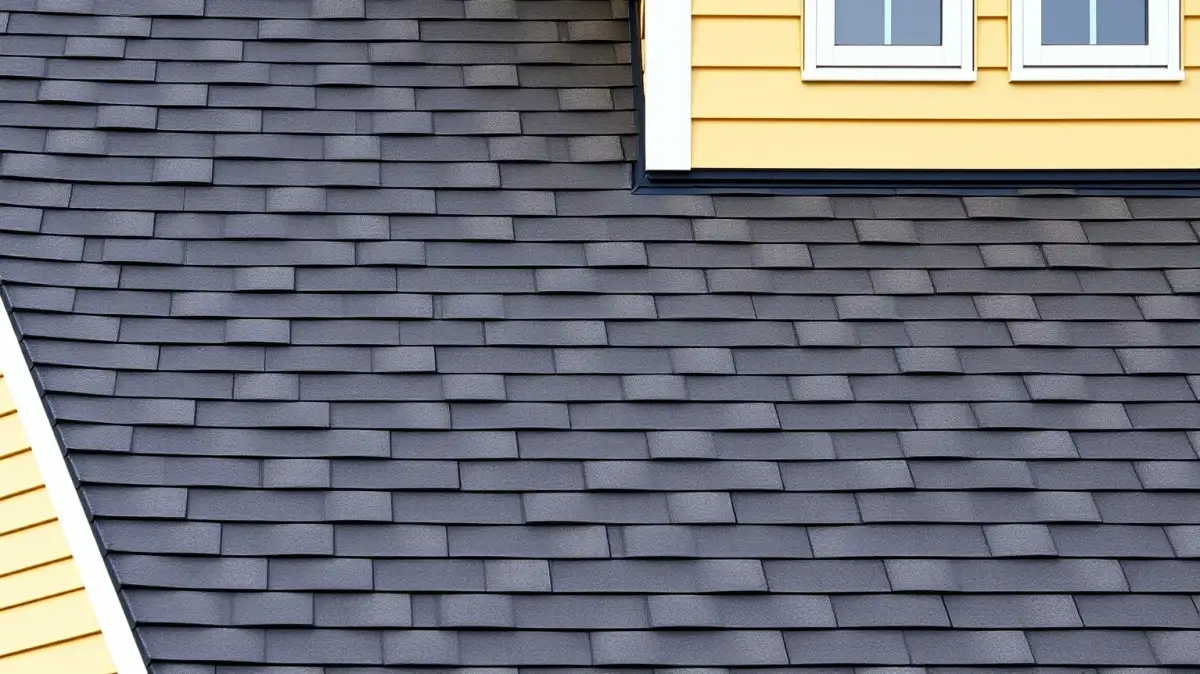
Materials That Endure Phoenix Heat
Commercial low-slope roofing systems must survive 111+ degree summers and UV photo-degradation. We install three proven membrane types: TPO, EPDM, and modified bitumen.
TPO (thermoplastic polyolefin) membranes use heat-welded seams and deliver 20–25 year warranties from manufacturers like Carlisle SynTec, GAF EverGuard, and Firestone.
EPDM rubber roofing is older but cost-effective, using adhesive seams.
Modified bitumen combines asphalt and reinforcing fabric, installed hot with a torch or self-adhered for lower heat.
Built-up roofing (BUR) layers tar and gravel for durability and foot-traffic resistance. Standing-seam metal panels deliver 40+ year life with minimal upkeep.
The substrate matters equally. Roof decks of plywood or OSB sheathing must be sound—no rot, sag, or settling.
Attic insulation and proper ventilation reduce heat stress and prevent condensation beneath the membrane.
We check rafter and joist condition before installation, as water-damaged framing voids all warranties.
Inspection, Failure, and Seasonal Risk
Before quoting, we perform a thorough roof inspection. We trace the roofline for existing damage: membrane tears, granule loss, ponding water, blistering, or delamination.
We examine flashing—step flashing, counter-flashing, chimney flashing, pipe boots, and vent boot condition—because water typically seeps through failed flashing, not the membrane.
We check ridge cap, vent openings, and drip edge installation.
Hail damage (a recurring Phoenix monsoon risk) creates punctures or dents in metal panels; we document these for insurance claims.
Degradation patterns include seeping through micro-cracks, water wicking along substrates, flaking of older coatings, and eroding sealant around penetrations. Valley accumulation and poor ventilation accelerate decay.
Once membranes lose elasticity from UV exposure, peel and spall follow.
We assess whether protective roof coatings can extend membrane life or if full replacement is needed.
Installation and Code Compliance
Our crew begins with a tear-off to bare decking, replacing damaged substrate. We install synthetic underlayment to protect during construction and reduce vapor issues.
Next comes membrane installation: TPO requires continuous heat-welded seams at tight overlap; EPDM uses self-adhered or adhesive-bonded seams; modified bitumen is torched and reinforced with fabric.
Fasteners—ring-shank nails or corrosion-resistant screws—are driven at the density required by building code. Counter-flashing and apron flashing prevent water backup.
Installation requires proper scaffold setup and safety harnesses for roof-edge work. We seal all penetrations: pipe flashing, skylight headers, and HVAC ducts.
Parapet flashing and perimeter details receive special attention. Proper ventilation (soffit vents, ridge vents, or attic fans for attached structures) prevents moisture buildup beneath the membrane.
Timeline and Cost Drivers
Most commercial roofs take 5–14 days depending on size and existing conditions. Phoenix heat requires early-morning starts in summer. Monsoon season (July–September) brings rare rain delays.
Costs range $3–$8 per square foot. A 5,000 sq ft roof runs $15,000–$40,000.
Factors that raise cost: structural repairs, complex parapet design, multiple roof planes, skylights or dormers requiring custom flashing, and asbestos abatement.
Permit fees add $500–$2,000. Every warranty is backed by Maricopa County building code compliance. Call 602-533-0488 for a free inspection.