How Metal Roofing Installation Works
Metal roofing begins with a roof inspection to assess your roof deck, plywood sheathing, trusses, and rafters beneath.
We measure slope, hip dimensions, gable edges, and fascia conditions to create a baseline estimate.
Most Phoenix installations require a tear-off—removing old shingles, underlayment, and flashing to bare decking.
We haul debris away, then inspect the substrate for rot or water damage before installing synthetic underlayment.
Next, we secure standing-seam or corrugated metal panels with ring-shank fasteners and nails designed for 120+ mph winds.
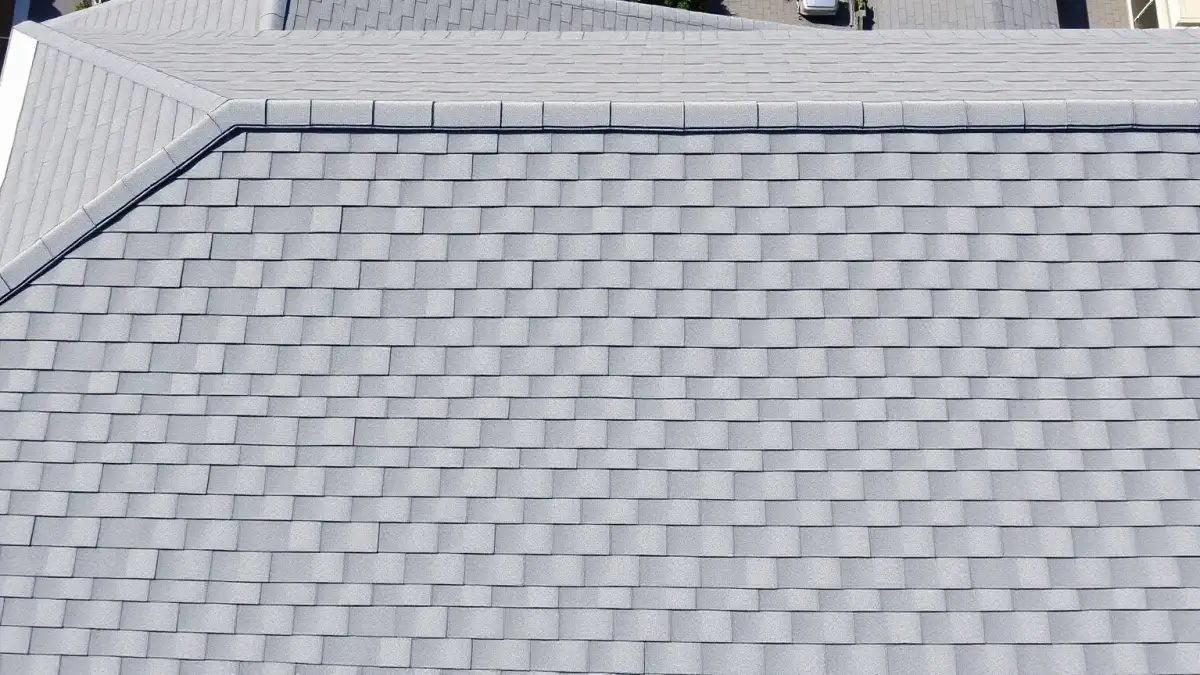
Ridge caps, drip edge, step flashing, and counter-flashing seal the roofline and valleys.
Finally, we install gutter systems with downspouts and secure pipe boots and vent flashing where penetrations occur.
Materials & Why We Choose Them
Standing-seam metal panels come in stone-coated steel or aluminum with PVDF coatings that resist Arizona's intense UV.
Exposed-fastener corrugated panels cost less but require ongoing maintenance in the desert. Underlayment protects the substrate from moisture seeping through fastener holes or flashing seams.
Our Metal Roofing Systems Include:
- Standing-seam or corrugated metal panels (40–50 year lifespan)
- Synthetic underlayment and ice-and-water shield protection
- Ring-shank fasteners engineered for 120+ mph wind uplift
- Ridge caps, drip edge, and valley flashing
- Step flashing and counter-flashing at chimneys
- Pipe boots and vent flashing for roof penetrations
- Caulk and sealant for weatherproofing
- Gutter and downspout systems
Ridge caps and drip edge prevent water from entering eaves, soffits, and valleys. Fasteners must meet Maricopa County building code requirements for wind uplift resistance.
What Our Technicians Inspect
During the roof estimate and before installation, our roofers check for rot, decay, sag, and granule loss on the old roof.
We inspect flashing where the roof meets chimneys (chimney flashing), pipes (pipe boots and vent boots), and skylights for gaps or cracks.
We assess the roof deck for moisture content, check that ridge vents are clear, and verify soffit ventilation so hot air escapes in summer.
Missing sections, buckled panels, or corroded fasteners signal end-of-life wear on existing roofs.
Desert Heat & Monsoon Durability
Phoenix averages 111 days above 100°F yearly, which accelerates asphalt shingle oxidation. Metal roofing reflects solar gain and reduces attic temperature by 10–20 degrees.
Monsoon winds and hail demand fasteners that don't shear and coatings that resist peeling or flaking.
Our standing-seam panels handle wind uplift without fastener failures, and the seamless design prevents water from wicking along deck seams.
The eaves and verge details are sealed with counter-flashing to stop water intrusion during intense storms.
Cost & Timeline Factors
Metal roofing costs vary by panel type (standing-seam vs. corrugated), square footage, and roof complexity.
Hip and gable roofs with dormers or chimneys need more flashing and labor.
Most installations take 2–3 days, with time added for attic insulation or ventilation upgrades.
Financing options and insurance claim assistance can offset costs.
The roofing contractor you choose should clarify whether attic ventilation or soffit vents require upgrades under Maricopa County building code.
Call 602-533-0488 for a free estimate tailored to your roof's needs.