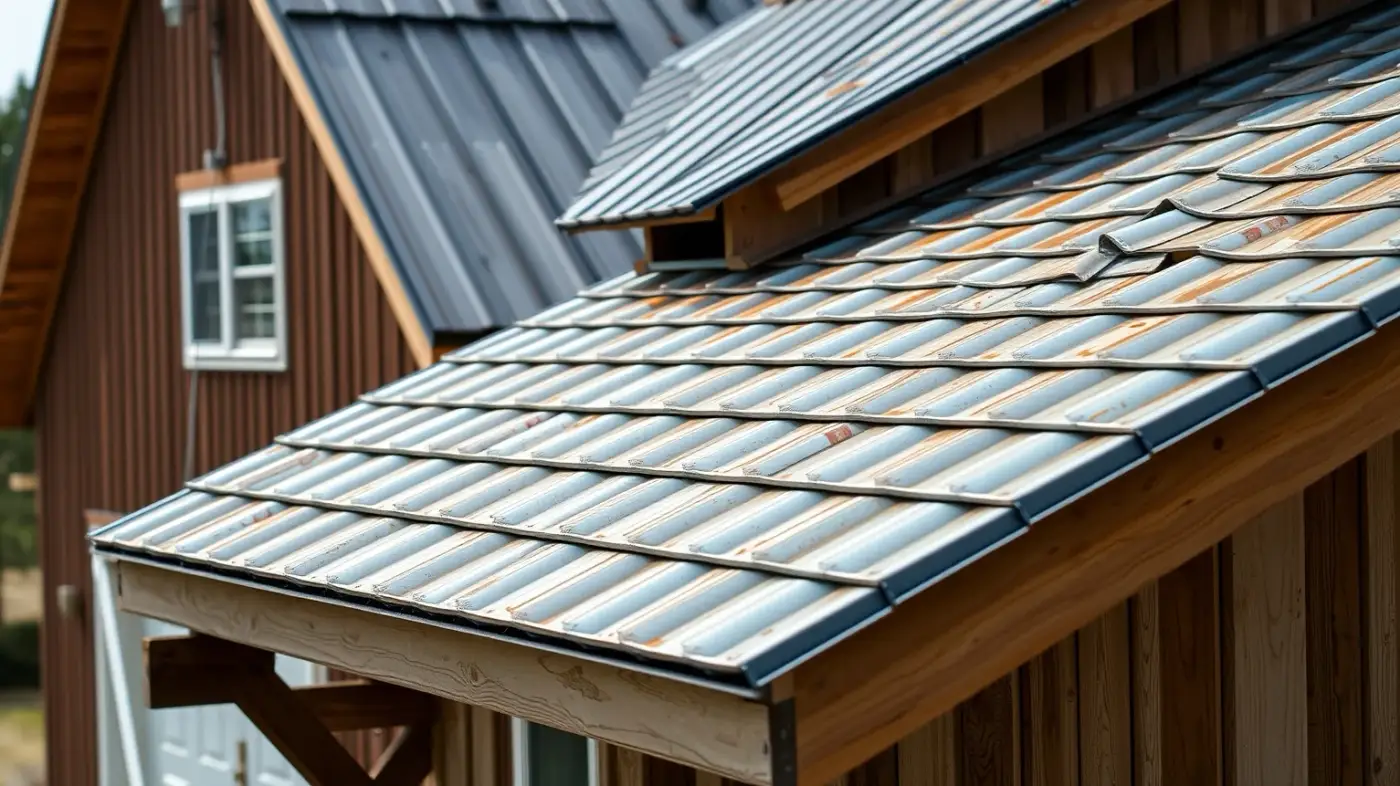
What Is Roof Coating?
Roof coating applies elastomeric or silicone membrane over your existing roof surface—shingles, tile, or metal.
Unlike replacement, which requires tear-off of all materials, coating overlays your roofline and extends its life 5-10 years.
We apply primer to the substrate, then spray acrylic elastomeric, silicone, or polyurethane in multiple passes.
The membrane seals flashing, valleys, seams, and penetrations, creating a waterproof barrier that flexes without cracking or blistering.
Acrylic coatings are cost-effective and eco-friendly. Silicone offers superior UV and moisture resistance. Polyurethane delivers maximum tensile strength. Reflective coatings reduce temperature 20-30°F, cutting cooling costs.
Roof Inspection: What We Assess
We inspect the roof deck, sheathing, decking (plywood or OSB), and ridge beam for structural integrity and material degradation.
We assess granule loss on asphalt shingles, wood shakes, or tile. We check for curling, rot, decay, sag, or end-of-life wear.
We inspect all flashing—step flashing, counter-flashing, chimney flashing, pipe flashing, boot flashing, and vent boots. We evaluate ridge cap, ridge vent, drip edge, and ice-and-water shield.
We document ponding water in valleys, which coating cannot remedy. We assess eaves, soffit, fascia, and gutter condition. Building code compliance is reviewed.
These findings determine coating viability versus replacement.
Materials and Application
Acrylic coatings offer 7-10 years of protection at low cost, but chalk and peel under sustained 110°F+ heat and intense UV exposure.
Silicone resists UV degradation, ponding water intrusion, and hail impact with high tensile strength even at temperatures exceeding 120°F+.
Polyurethane membranes provide maximum tensile strength and excel in industrial environments with corrosive atmospheres.
Primer ensures substrate bond and prevents future blistering. Sealant, caulk, and adhesive seal all seams, valleys, and penetrations. Fasteners and nails are replaced if corroded.
Roof cement and mastic secure pipe boots and vent boots. Proper ventilation through soffit vents, ridge vents, and attic fans prevents moisture accumulation underneath.
All work follows Arizona building code standards.
Phoenix's Climate Impact
Phoenix's 3,872 annual sunshine hours accelerate UV degradation and granule loss. Heat exceeding 110°F for 21+ days dries tile underlayment and wood shakes, accelerating end-of-life wear.
Reflective coatings reduce roofline temperature 20-30°F, slowing oxidation dramatically. Monsoon hail and downbursts test seams, valleys, and roof penetrations like skylights and chimneys.
Elastomeric membranes with high tensile strength resist puncture and flexing stress. Ice-and-water shield protects valleys and low points.
Ponding water must be corrected before coating, as standing water seeps through substrate and causes rot underneath.
Timeline and Cost
Coating takes 1-3 days depending on roof size and complexity. Primer cures 6-12 hours; coating follows. Re-occupancy timing is 24-48 hours.
Coverage rate varies by substrate type. Cost ranges from $1.50-$2.50/sq ft for acrylic, $2.50-$4.00 for silicone, $3.50-$5.00 for polyurethane.
Estimates and roof inspections are free. We handle insurance claims for hail and storm damage. Call 602-533-0488 for your free estimate. Trusted.