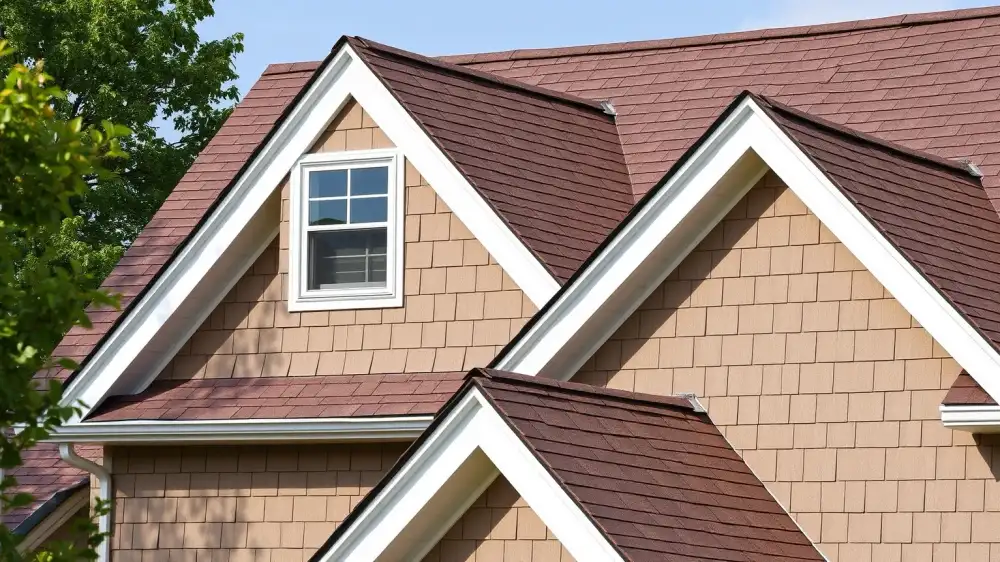
What a Tear-Off and Replacement Involves
A tear-off removes every shingle, nail, and piece of old underlayment from your roof deck.
This exposes the substrate—usually OSB or plywood sheathing—so we can inspect for rot, decay, or structural damage.
Any compromised decking gets replaced before the new system goes down.
We then install synthetic underlayment and ice-and-water shield to create a weather barrier that stops leaks even if shingles fail.
Ridge vents and soffit vents allow airflow through your attic, preventing moisture and heat buildup—especially critical in Phoenix's sustained 100-plus-degree heat.
Architectural shingles like GAF Timberline are installed using ring-shank nails with a pneumatic nail gun, positioned per Maricopa County building code standards.
Step flashing, counter-flashing, chimney flashing, and pipe boots seal every roof penetration where leaks start. Ridge caps finish the peak. A dumpster handles all debris.
Most projects complete in 2–4 days.
Material Choices for Arizona Heat
Architectural shingles outperform three-tab shingles in sustained heat and UV exposure. Synthetic underlayment resists UV degradation far better than traditional tar paper or roofing felt.
Ice-and-water shield prevents leaks at valleys and critical transitions, especially during monsoon season.
Metal panels and standing-seam roofing last 40+ years in Phoenix's intense sun, popular in Desert Ridge and newer subdivisions.
For flat-roof homes common in Arcadia and Coronado, built-up tar or modified bitumen membranes deliver reliable protection.
Gutter and downspout upgrades help manage monsoon runoff—essential in Maricopa County.
Why Phoenix's Climate Demands Early Replacement
Phoenix receives approximately 3,872 hours of sunshine annually. This constant UV exposure accelerates asphalt oxidation, making replacement at 20–25 years the standard timeline.
Recent monsoon seasons have brought significant hail damage to Tempe and Scottsdale—risk that accelerates roof aging.
Our roof inspections before summer identify vulnerabilities in eaves, rake edges, gable ends, and dormer flashing where wind uplift and water intrusion begin.
Early replacement beats costly emergency repairs.
Cost and Timeline Factors
Roof size and pitch drive cost. Steeper roofs with hip or gambrel designs take longer and cost more than simple gables.
Architectural shingle systems run $8,000–15,000 for typical residential homes; metal panels command higher prices. Labor, dumpster rental, building permits, and warranty registration add to the total.
A free estimate tells you exactly what's included and why. Most jobs finish in 2–4 days if weather cooperates.
Warning Signs Your Roof Needs Replacement
Curled, missing, or split shingles expose underlayment. Granule loss—dark spots in gutters—signals end-of-life wear.
Active roof leaks, water stains inside the attic, or visible rot in the roof deck mean replacement is urgent.
Sagging rooflines or settlement indicate structural issues in the rafter or joist system requiring decking inspection and potential framing repair.
Widespread cracking, particularly in valleys, suggests systemic failure. Dormer leaks or step flashing separation often justify full replacement if the main roof is aged.
What's Always Included
- Complete tear-off and debris removal via dumpster service
- Decking inspection and replacement of any rot or decay
- Synthetic underlayment and ice-and-water shield installation
- Ridge vents and soffit vents for proper attic ventilation
- Step, counter, and chimney flashing with sealant and caulk
- Pipe boots and vent boots sealing all roof penetrations
- Ridge cap and drip edge installed per building code
- Roof cement and adhesive for all seams and transitions
- Manufacturer warranty registration—typically 10-year workmanship
- Final cleanup and site inspection