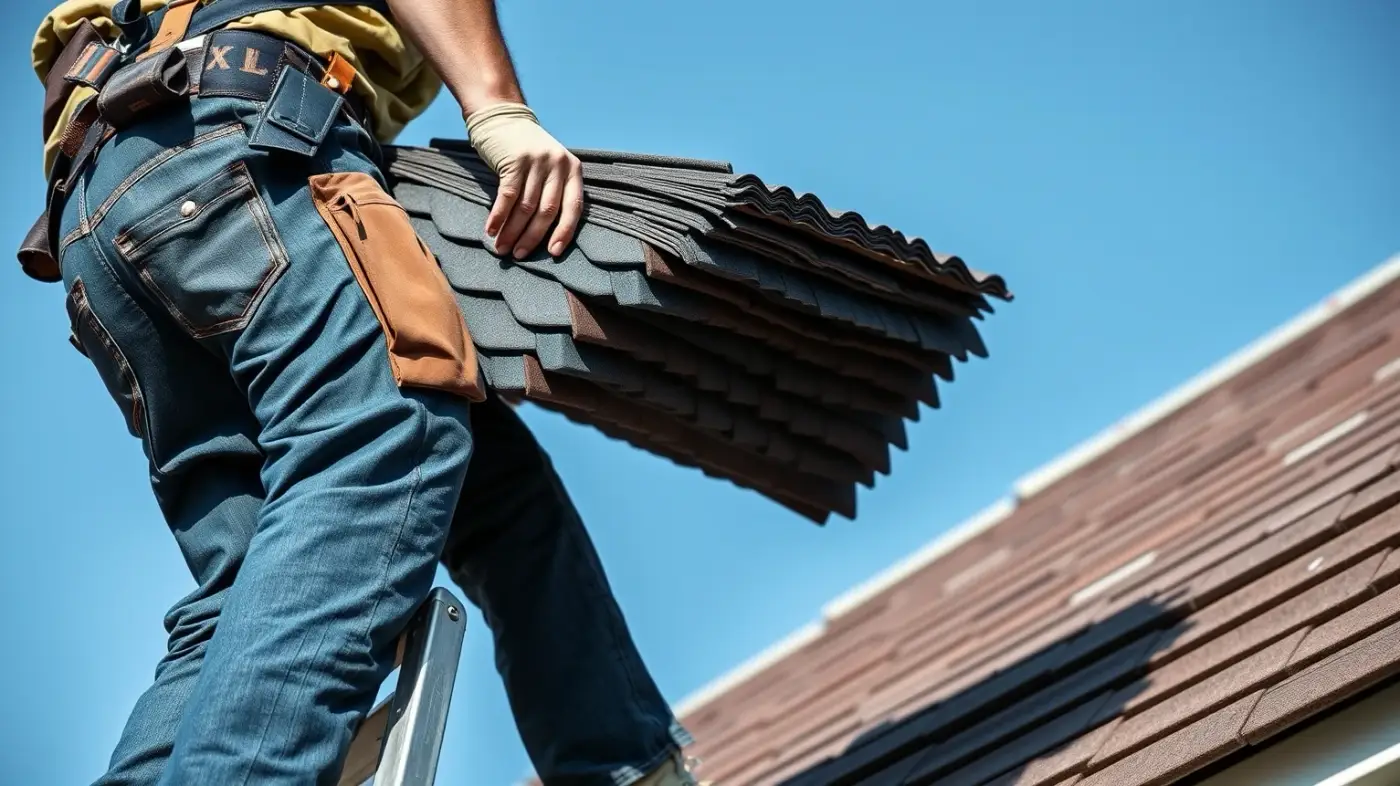
Emergency Response & Tarping
When a storm hits, the first step is emergency tarping.
We deploy heavy-duty tarps over exposed roof areas within hours, preventing rain and wind-driven debris from entering your home.
This prevents water from seeping into attic insulation, framing, and interior walls.
Temporary tarping buys time for insurance adjustment and formal repair. Most tarps remain in place until adjuster approval and repair scheduling, typically 1–3 weeks.
This temporary measure is critical—a single rainstorm can cause thousands in interior damage if roof damage remains exposed.
Detailed Roof Inspection & Damage Documentation
Our roof inspection covers every component: shingles, underlayment, flashing, drip edge, step flashing, chimney flashing, valley, ridge cap, fascia, soffit, gutter, and downspout.
We document each failure mode—hail impact dents, wind-driven punctures, split shingles, failed ice-and-water shield, and decking rot or splitting.
We photograph and measure every damaged area. This Xactimate report documents repair scope and material specifications for your insurance adjuster.
The report prevents future disputes and ensures your claim covers all storm damage, including hidden damage under shingles and behind flashing.
Materials & Repair Methods
Storm repairs use insurance-approved materials built for durability. Replacement shingles (GAF, Owens Corning) match your existing roof in color and architectural style.
Ice-and-water shield protects valleys, step flashing, and chimney areas from future leaks—these are the leak-prone zones adjuster inspections focus on.
Replacement decking (plywood or OSB substrate) is installed where rot, decay, or water-soaked wood is found. All fasteners and sealants meet Maricopa County building code.
Ridge cap and ridge vent restoration improves attic ventilation, reducing heat and moisture that accelerate deterioration.
Phoenix Climate & Local Storm Patterns
Hail damage peaks during Arizona's monsoon season (June–September). Neighborhoods like Arcadia, Ahwatukee Foothills, Coronado, Maryvale, and Desert Ridge all experience significant seasonal hail risk.
Summer heat (often 110–115°F) accelerates asphalt shingle oxidation and makes repairs more urgent—exposed decking or underlayment can deteriorate rapidly in intense sun.
Ice dams occasionally form during Phoenix's rare cold snaps, trapping water at eaves and forcing it under shingles.
This causes water intrusion that can damage soffit, fascia, and attic insulation. Early removal prevents rot and secondary mold damage.
Timeline & Cost Factors
Repair timelines depend on damage severity, material stock, and insurance approval. Most repairs begin 2–3 weeks after adjuster authorization.
Costs vary by roof size, pitch, and decking replacement needs. Insurance typically covers 75–100% of approved storm damage with thorough documentation.
We coordinate with your adjuster at every stage, from initial inspection to final approval. Financing assistance is available for any out-of-pocket costs.
Trusted, we stand behind every repair and offer a free storm damage assessment—call 602-533-0488 today.