Home → Services → Emergency Roof Repair
Phoenix, AZ
Emergency Roof Repair by Phoenix Roof Master
Trusted by Phoenix homeowners
What Storm Damage Looks Like
Storm damage strikes fast—high winds and hail expose vulnerabilities instantly. Missing shingles expose underlayment, and flashing around chimneys and pipe boots begins leaking.
Debris chokes gutters and downspouts. Ice dams form during freeze-thaw cycles, forcing water under ice-and-water shield. The longer damage sits exposed, the deeper water penetrates into decking and insulation.
Common visible damage includes hail dents on asphalt or architectural shingles and torn shingles pulling away from the roof deck. Flashing peeled back where step flashing and counter-flashing meet walls is also a red flag.
Bent fascia and gutter seams, water stains inside attic or ceiling—these all indicate water has entered your home. Act fast.
Same-Day Tarping & Stabilization
We arrive with emergency tarps, rope, fasteners, and adhesive to stop water intrusion immediately. Tarps are anchored across your roof structure—secured to rafters and trusses—preventing water from wicking into decking and insulation.
We clear debris from the roof, fascia, gutters, and downspouts, then seal tarp seams so wind cannot lift edges. This temporary weatherproofing holds until permanent repair begins.
Storm tarping is critical—every 24 hours of exposure allows water to seep deeper into framing. Our team responds around the clock. Once tarped, you can safely coordinate with your insurance adjuster.
Our Emergency Roof Inspection Process
A thorough roof inspection documents damage for your insurance adjuster and guides permanent repair. We examine:
- Shingle condition: asphalt, architectural, wood shake, or slate damage
- Underlayment integrity and synthetic underlayment condition in valleys
- All flashing: step flashing, counter-flashing, pipe flashing, chimney flashing, vent boot, drip edge
- Roof deck condition (plywood or OSB sheathing checking for rot, sag, or settlement)
- Ridge cap, ridge vent, valley, hip, gable, and rake damage
- Soffit vents, eaves, and attic ventilation continuity
- Gutter, downspout, and fascia damage
- Water intrusion signs into eaves, soffits, or interior
Building code requires flashing sealed with sealant and mastic, proper fastener pattern without overdrive, and synthetic underlayment in high-exposure areas. We verify all repairs meet Maricopa County building code for structural integrity.
Repair Materials & Permanent Fixes
Permanent repair depends on your roof type and damage extent. Asphalt shingle roofs require replacement of torn or missing shingles, resealing with roof cement, and new step flashing and counter-flashing installation.
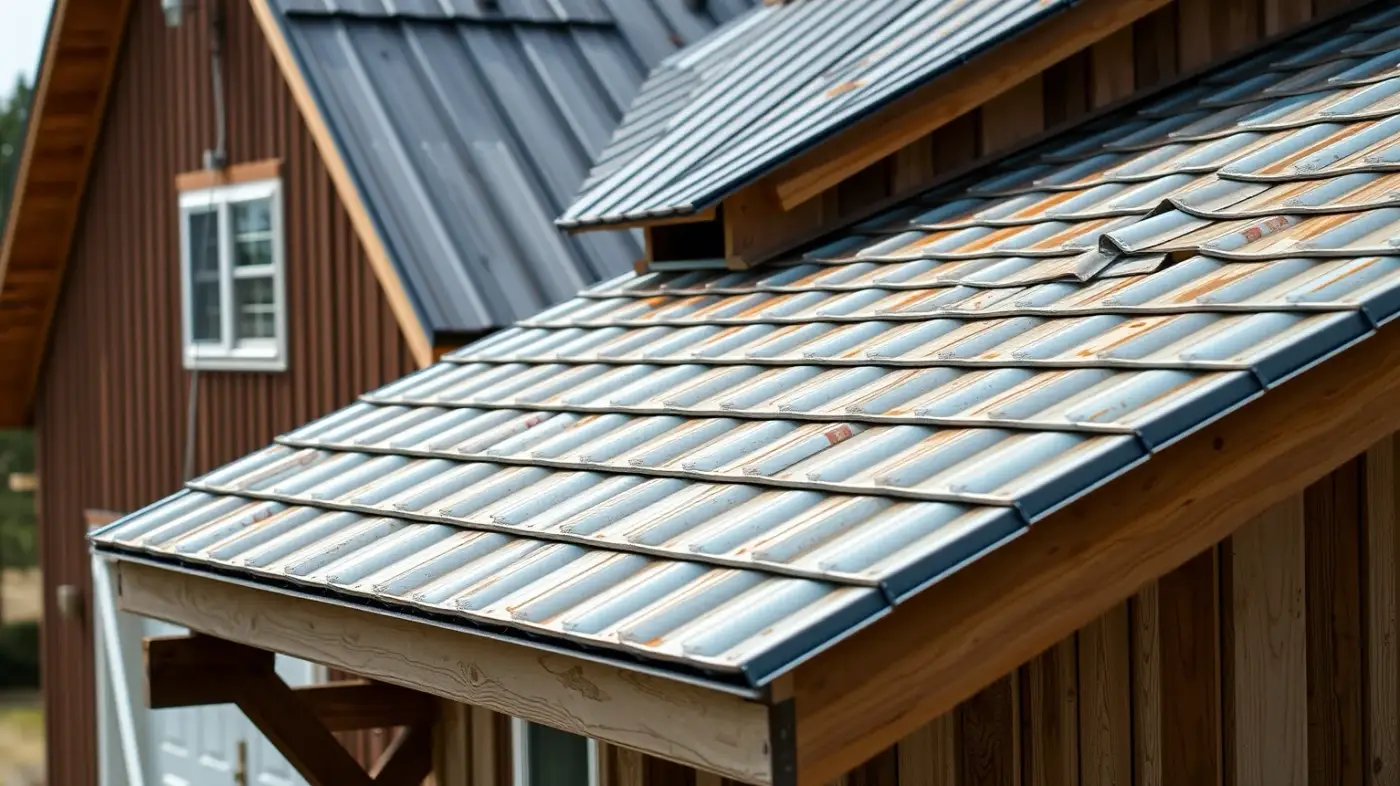
Tile or slate roofs need broken tiles or slate pieces replaced, mortar reset, and tile bond verified. Metal roofs require straightening bent standing-seam or corrugated panels, sealing fastener penetrations, and patching holes.
Flat roofs involve replacement of damaged TPO, EPDM, or PVC membrane sections; repair of parapet edge flashing; and verification of tar and bitumen bonding in modified bitumen systems.
Every flashing component—pipe boot, vent boot, apron flashing, boot flashing—gets sealed with sealant. We use a roofing square to calculate roof estimate and coordinate insurance coverage.
Phoenix Weather & Timeline
Phoenix storm season (spring monsoons and summer hail) creates urgent demand. Ice dams, hail damage, and wind uplift can't wait—water intrusion worsens daily. Most repairs take 2–5 days once materials arrive.
We work to Maricopa County building code and prioritize your safety using proper scaffold, ladder, and safety harness protocols. Insurance typically covers storm damage over $2,000.
We manage proof of loss documentation, coordinate adjuster inspection, handle reserve release, and file supplemental claims if damage exceeds the initial scope. Call 602-533-0488 for same-day tarping and expert claim support.